Earlobe Rejuvenation & Surgery in
Marietta & East Cobb
Board-certified surgical dermatology care for torn, stretched, and gauge-damaged earlobes – with precise repair techniques that restore natural contour and allow for re-piercing when desired.
What Is Earlobe Rejuvenation & Surgery?
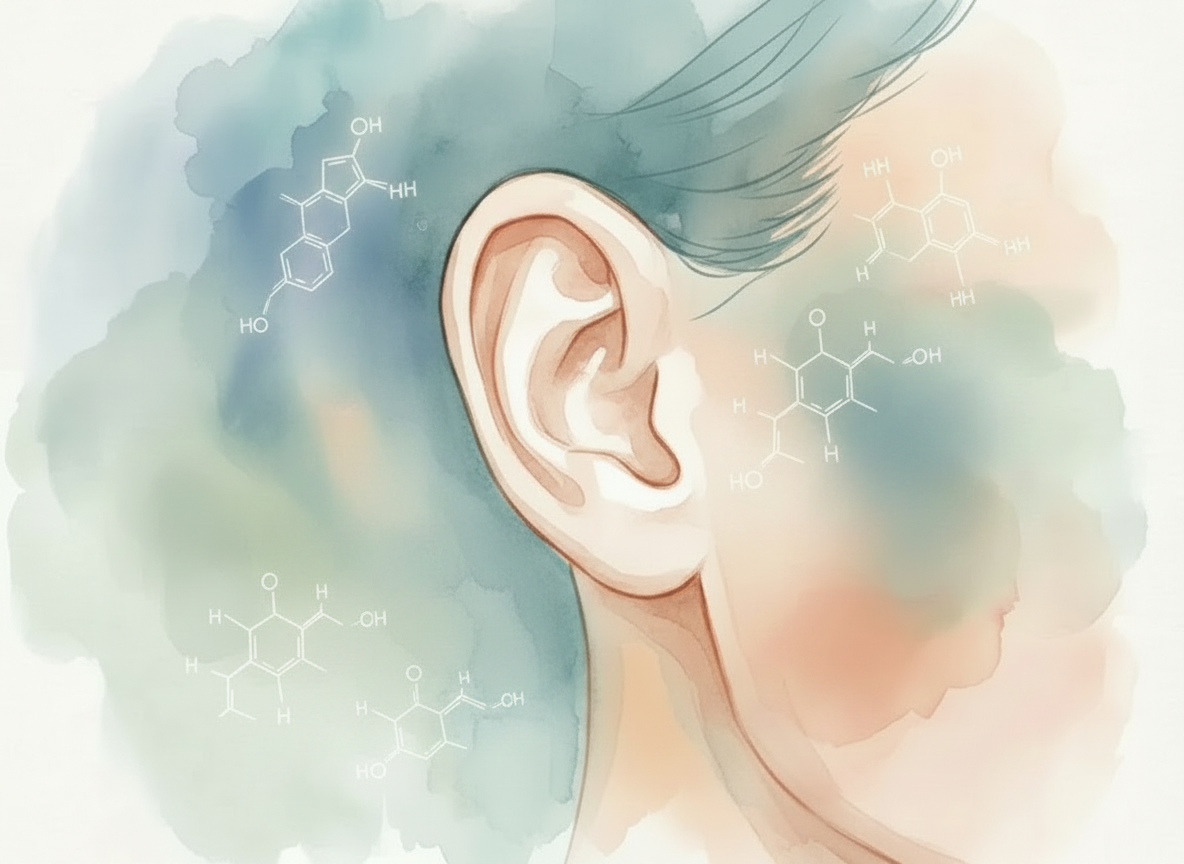
Earlobe rejuvenation and surgery encompasses a range of in-office procedures designed to repair, reshape, or restore earlobes that have been damaged, stretched, or altered over time. These are precise, targeted interventions performed by board-certified dermatologists under local anesthesia – typically completed in under 30 minutes with minimal downtime.
Whether your earlobe has been torn by a caught earring, stretched by gauge jewelry, elongated by decades of heavy earring use, or affected by keloid scarring, surgical correction can restore a natural appearance and – in most cases – allow for re-piercing once healing is complete.
At DESSNA, earlobe surgery is performed with meticulous attention to cosmetic outcomes. We use fine suture techniques and scar-minimizing approaches to ensure your result looks natural and heals beautifully.
Procedures we perform
Earlobe Repair (Torn/Split Lobe)
Surgical closure of a partially or completely split earlobe caused by heavy earrings, trauma, or accidental tearing. The scar tissue is excised and the earlobe is precisely reapproximated with fine sutures for a natural result.
Gauge Repair
Reconstruction of earlobes stretched by gauge jewelry. Excess skin is removed and the lobe is reshaped and sutured closed. The degree of repair depends on the original gauge size, and most patients achieve a natural-looking result.
Earlobe Reduction & Reshaping
Surgical reduction of earlobes that have elongated or sagged due to aging, genetics, or heavy earring use. Excess tissue is removed and the lobe is reshaped to restore a more youthful, proportionate contour.
Keloid & Scar Revision
Treatment of keloid scars or hypertrophic scarring on the earlobe from prior piercings or injuries. Options include surgical excision, intralesional steroid injections, and combination therapy to minimize recurrence.
Why Earlobes Change Over Time
Earlobe changes are common and affect patients of all ages. Understanding the underlying cause guides the most appropriate surgical approach and helps prevent recurrence.
Heavy Earring Use
Years of wearing heavy earrings gradually stretch the piercing hole and thin the earlobe tissue. Over time, the elongated hole can tear completely, especially if the earring catches on clothing or hair.
Natural Aging
As skin loses collagen and elastin with age, earlobes become thinner, longer, and less firm. The piercing hole also enlarges as the surrounding tissue loses structural support – a process accelerated by ongoing earring use.
Gauge Stretching
Deliberate stretching of piercing holes with progressively larger gauge jewelry creates permanently enlarged openings. Once gauges are removed, the skin rarely contracts back to its original size without surgical intervention.
Trauma & Keloid Tendency
Accidental tearing from caught earrings, contact sports, or other trauma can split the earlobe. Some individuals are also genetically predisposed to keloid formation at piercing sites, creating raised, thickened scars that require targeted treatment.
How We Perform Earlobe Surgery at DESSNA
We combine surgical precision with a cosmetic eye – restoring natural earlobe contour while minimizing visible scarring and planning for long-term results.
Pre-Surgical Assessment
Your dermatologist evaluates the earlobe's anatomy, degree of damage, tissue quality, and your goals – including whether you plan to re-pierce. We assess for keloid tendency, skin laxity, and any asymmetry between lobes to plan the most appropriate repair technique and set realistic expectations for the outcome.
Precise Surgical Repair
Under local anesthesia, we perform the repair using the technique best suited to your specific presentation – whether a simple closure for a fresh tear, a scar excision and multi-layer repair for a chronic split, or a formal reconstruction for gauge damage. Fine, absorbable sutures minimize visible scarring.
Aftercare & Re-Piercing Planning
We provide detailed wound care instructions and schedule follow-up to monitor healing. For patients who wish to re-pierce, we advise waiting a minimum of 3 months after complete healing and guide you on appropriate jewelry weight and placement to protect the repair long-term.
Earlobe Surgery Options at Our Marietta Practice
Your procedure is selected based on the type and degree of earlobe damage, your cosmetic goals, and whether you plan to re-pierce. Here are the options we offer.
Earlobe Repair (Split/Torn Lobe)
Surgical excision of scar tissue lining the tear followed by precise multi-layer closure with fine sutures. Restores a smooth, natural earlobe contour. Performed under local anesthesia in a single visit with minimal downtime.
Gauge Reconstruction
Removal of excess stretched skin and formal reconstruction of the earlobe using layered suture technique. The degree of correction achievable depends on the original gauge size. Most patients achieve a natural-looking result.
Earlobe Reduction & Reshaping
Surgical removal of excess earlobe tissue to restore a more youthful, proportionate shape. Addresses age-related elongation, genetic macrotia, or distortion from heavy earring use. Sutures are placed to minimize visible scarring.
Keloid Excision & Prevention
Surgical removal of keloid tissue followed by intralesional corticosteroid injections and, in some cases, pressure therapy or radiation to reduce recurrence risk. Keloid management requires a multi-modal approach for the best long-term outcome.
Intralesional Steroid Injections
Corticosteroid injected directly into keloid or hypertrophic scar tissue to flatten, soften, and reduce the lesion. Often the first-line treatment for earlobe keloids before considering surgical excision. Multiple sessions may be required.
Filler Augmentation
Hyaluronic acid filler injected into the earlobe to restore volume, support earring weight, and reduce the appearance of elongated piercing holes. A non-surgical option for patients with mild laxity who are not candidates for or do not desire surgery.
Why You Should Never Attempt DIY Earlobe Repair
Attempting to repair a torn or stretched earlobe at home is one of the most common causes of poor cosmetic outcomes. Here is what can go wrong:
Non-sterile technique introduces bacteria
Uneven closure creates visible distortion
Improper closure leads to thickened scars
Trauma can trigger keloid formation
Poor repair prevents successful re-piercing
Why Professional Earlobe Surgery Matters
Sterile Technique Prevents Complications
Professional earlobe repair is performed under sterile conditions with precise instruments and local anesthesia. This dramatically reduces the risk of infection, asymmetry, and poor scar formation compared to any at-home attempt.
Cosmetic Outcomes Require Surgical Expertise
A natural-looking earlobe repair requires precise excision of scar tissue, multi-layer closure, and careful attention to symmetry. Board-certified dermatologists at DESSNA are trained in the specific techniques that produce the most cosmetically satisfying results.
Earlobe repair is a quick, comfortable in-office procedure that takes under 30 minutes. If you have a torn, stretched, or damaged earlobe – whether from an earring accident, gauge removal, or aging – a dermatologist can restore it safely in a single visit.
What Our Patients Say
“Doctor Edward Chen is the BEST! He's very professional, very caring, he will always give you his honest advice. He helped my son who had acne issues – his skin now looks great like never before.”
“Dr. Candace Green has a very warm bedside manner and makes you feel very comfortable! Great office, staff, and overall experience.”
“The office is well run and Dr. Green is thorough.”
Earlobe Rejuvenation & Surgery FAQs
Answers to the questions our Marietta and East Cobb patients ask most about earlobe repair and rejuvenation.
No. Earlobe repair is performed under local anesthesia, so you will not feel pain during the procedure. You may feel a brief pinch from the numbing injection, but the repair itself is painless. Most patients describe the experience as far more comfortable than they expected. Mild soreness for 1 to 2 days after the procedure is normal and manageable with over-the-counter pain relievers.
Ready to Restore Your Earlobes in Marietta or East Cobb?
Your first step is a consultation with one of our board-certified dermatologists. We will evaluate your earlobes, discuss your goals, and recommend the most effective repair approach – often completed in a single in-office visit.
Most earlobe repairs are completed in under 30 minutes with minimal downtime.
Related Conditions & Services
Explore other surgical dermatology services we offer at our Marietta practice