Mohs Surgery in
Marietta & East Cobb
Fellowship-trained Mohs micrographic surgery for the highest cure rates in skin cancer removal – with real-time margin analysis and advanced reconstruction to preserve healthy tissue and optimize cosmetic outcomes.
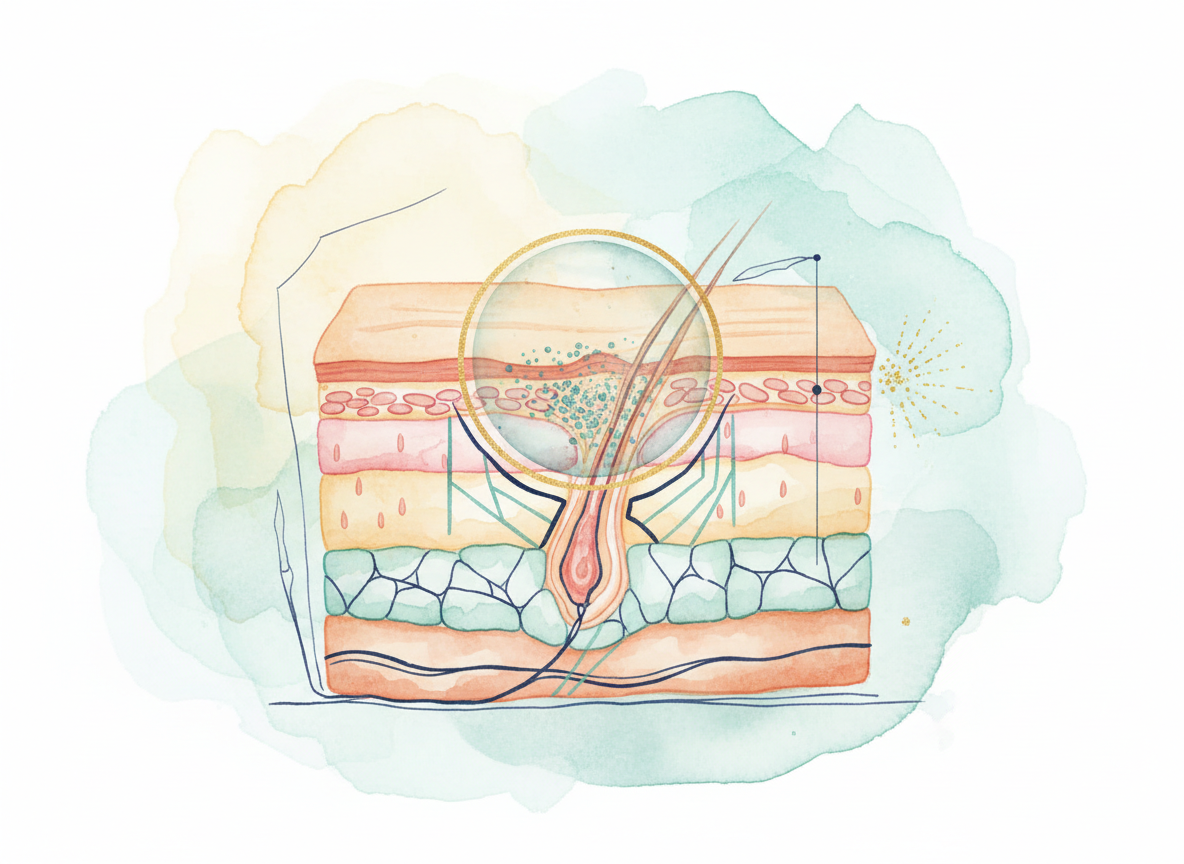
What Is Mohs Micrographic Surgery?
Mohs micrographic surgery is a highly specialized surgical technique for removing skin cancer that provides the highest cure rates available – up to 99% for primary basal cell carcinoma and 97% for primary squamous cell carcinoma. It is considered the gold standard for skin cancer removal in cosmetically and functionally sensitive areas.
Unlike standard excision, where tissue is sent to an outside lab and results take days, Mohs surgery involves real-time microscopic examination of the entire surgical margin during the procedure. The surgeon serves as both surgeon and pathologist, examining 100% of the tissue edges while you wait.
At DESSNA, Mohs surgery is performed by Dr. Kathleen Viscusi, a fellowship-trained Mohs micrographic surgeon with ACGME-accredited training in cutaneous oncology and advanced reconstruction. Her expertise ensures complete cancer removal with the smallest possible wound and the best cosmetic outcome.
How the procedure works
Layer-by-Layer Removal
The surgeon removes a thin layer of tissue containing the visible cancer, along with a narrow margin of surrounding skin. This tissue is carefully mapped and color-coded to maintain precise orientation.
On-Site Microscopic Examination
The removed tissue is processed and examined under a microscope in our on-site lab – while you wait. The surgeon personally examines 100% of the surgical margin, not just a sampling.
Targeted Re-Excision (If Needed)
If cancer cells are found at any margin, the surgeon removes another thin layer only from the area where cancer remains. This targeted approach spares healthy tissue that would be removed in standard excision.
Reconstruction & Closure
Once all margins are clear, the surgical defect is repaired using the most appropriate reconstruction technique – from direct closure to local flaps or grafts – optimized for both function and cosmetic outcome.
Why Mohs Surgery Is Recommended
Mohs surgery is not needed for every skin cancer. It is specifically indicated when the cancer's location, type, or history demands the highest possible cure rate with maximum tissue preservation.
High-Risk Locations
Skin cancers on the face, ears, nose, eyelids, lips, scalp, hands, feet, and genitals require Mohs surgery because even small amounts of unnecessary tissue removal can affect appearance and function.
Aggressive or Recurrent Cancers
Cancers with aggressive histologic subtypes (morpheaform, infiltrative, micronodular BCC; poorly differentiated SCC) or cancers that have recurred after previous treatment have higher recurrence risk and benefit from Mohs' complete margin control.
Large or Poorly Defined Tumors
Skin cancers with indistinct clinical borders or large size are difficult to clear with standard excision. Mohs surgery traces the cancer's true extent layer by layer, ensuring complete removal regardless of irregular growth patterns.
Immunosuppressed Patients
Organ transplant recipients and immunosuppressed patients develop more aggressive skin cancers with higher recurrence rates. Mohs surgery provides the highest cure rate for these high-risk patients.
How We Perform Mohs Surgery at DESSNA
We combine surgical precision with compassionate care – removing every cancer cell while preserving the maximum amount of healthy tissue and delivering the best possible cosmetic result.
Pre-Surgical Consultation & Planning
Your Mohs surgeon reviews your biopsy pathology, examines the cancer site, and discusses the procedure in detail. We assess the tumor's size, location, and subtype to plan the surgical approach and anticipate reconstruction needs. You will receive detailed pre-operative instructions and have all questions answered before surgery day.
Mohs Surgery with Real-Time Margin Analysis
On surgery day, the area is numbed with local anesthesia. The surgeon removes a thin layer of tissue, maps it precisely, and examines 100% of the margin under the microscope in our on-site lab. If cancer remains at any edge, only that specific area is re-excised. This cycle repeats until all margins are clear – typically 1 to 3 stages.
Reconstruction & Recovery
Once the cancer is completely removed, the surgical defect is repaired using the technique that provides the best functional and cosmetic outcome – whether direct closure, local flap, skin graft, or healing by secondary intention. Detailed wound care instructions and follow-up appointments ensure optimal healing.
Mohs Surgery & Reconstruction at Our Marietta Practice
Every Mohs procedure includes both complete cancer removal and expert reconstruction. The repair technique is selected based on the defect's size, location, and the approach that will deliver the best functional and cosmetic outcome.
Mohs Micrographic Surgery
The gold standard: layer-by-layer removal with 100% real-time margin analysis. Achieves cure rates of up to 99% for primary BCC and 97% for primary SCC while preserving maximum healthy tissue. Performed entirely under local anesthesia in our Marietta office.
Advanced Flap Reconstruction
Local tissue rearrangement using advancement, rotation, or transposition flaps to close surgical defects with optimal cosmetic outcomes. Our fellowship-trained surgeon has extensive experience in facial reconstruction techniques that minimize visible scarring.
Skin Grafting
Full-thickness or split-thickness skin grafts from donor sites to repair larger surgical defects where local flap closure is not ideal. Carefully matched for color, texture, and thickness to achieve the most natural-looking result.
Linear Closure & Layered Repair
Direct wound closure using multi-layer suture technique along natural skin tension lines. When anatomy permits, this approach produces the thinnest, most inconspicuous scar and the fastest healing time.
Secondary Intention Healing
In certain locations, allowing the wound to heal naturally from the bottom up produces cosmetic results equal to or better than surgical closure. We guide you through the healing process with detailed wound care protocols.
Post-Operative Surveillance
Regular follow-up examinations monitor the surgical site for recurrence and screen for new skin cancers. Patients who have had one skin cancer are at significantly higher risk for developing additional cancers, making ongoing surveillance essential.
Mohs vs. Standard Excision: Understanding the Difference
Both approaches remove skin cancer, but the method of margin analysis is fundamentally different:
Every edge examined in real time
Bread-loaf sections miss tissue between slices
Only re-excise where cancer remains
Removes extra healthy tissue as safety buffer
Highest cure rate for primary BCC
Why Fellowship-Trained Mohs Surgery Matters
Complete Margin Control Saves Tissue
Standard excision removes a predetermined margin of healthy tissue around the cancer – typically 4 to 6mm. Mohs surgery removes only what is necessary, resulting in significantly smaller wounds. On the face, this difference can mean preserving millimeters of tissue that are critical for appearance and function.
Surgeon-Pathologist Dual Role
In Mohs surgery, the same physician who removes the tissue also reads the slides. This eliminates the communication gaps that can occur when surgery and pathology are performed by different doctors, and it allows for immediate, precise decision-making at every stage.
If you have been diagnosed with skin cancer on the face, ears, nose, or another sensitive area, a consultation with a fellowship-trained Mohs surgeon ensures you receive the treatment approach with the highest cure rate and the best cosmetic outcome.
What Our Patients Say
“Doctor Edward Chen is the BEST! He's very professional, very caring, he will always give you his honest advice. He helped my son who had acne issues – his skin now looks great like never before.”
“Dr. Candace Green has a very warm bedside manner and makes you feel very comfortable! Great office, staff, and overall experience.”
“The office is well run and Dr. Green is thorough.”
Mohs Surgery FAQs
Answers to the questions our Marietta and East Cobb patients ask most about Mohs micrographic surgery.
No. Mohs surgery is performed under local anesthesia, so you will not feel pain during the procedure. You may feel a brief pinch from the numbing injection, but the surgery itself is painless. Most patients are comfortable reading, watching TV, or relaxing between stages. Mild soreness after the anesthesia wears off is normal and manageable with over-the-counter pain relievers.
Diagnosed With Skin Cancer in Marietta or East Cobb?
Your first step is a consultation with our fellowship-trained Mohs surgeon, Dr. Kathleen Viscusi. We will review your biopsy results, evaluate the cancer site, and determine whether Mohs surgery is the right approach for your specific case – with a clear plan for both removal and reconstruction.
Mohs surgery achieves up to 99% cure rates while preserving the maximum amount of healthy tissue.
Related Conditions & Services
Explore other surgical dermatology services we offer at our Marietta practice