
Warts Treatment in
Marietta & East Cobb
Board-certified wart removal using cryotherapy, immunotherapy, and advanced treatments for common, plantar, and flat warts at DESSNA Dermatology.
What Are Warts?
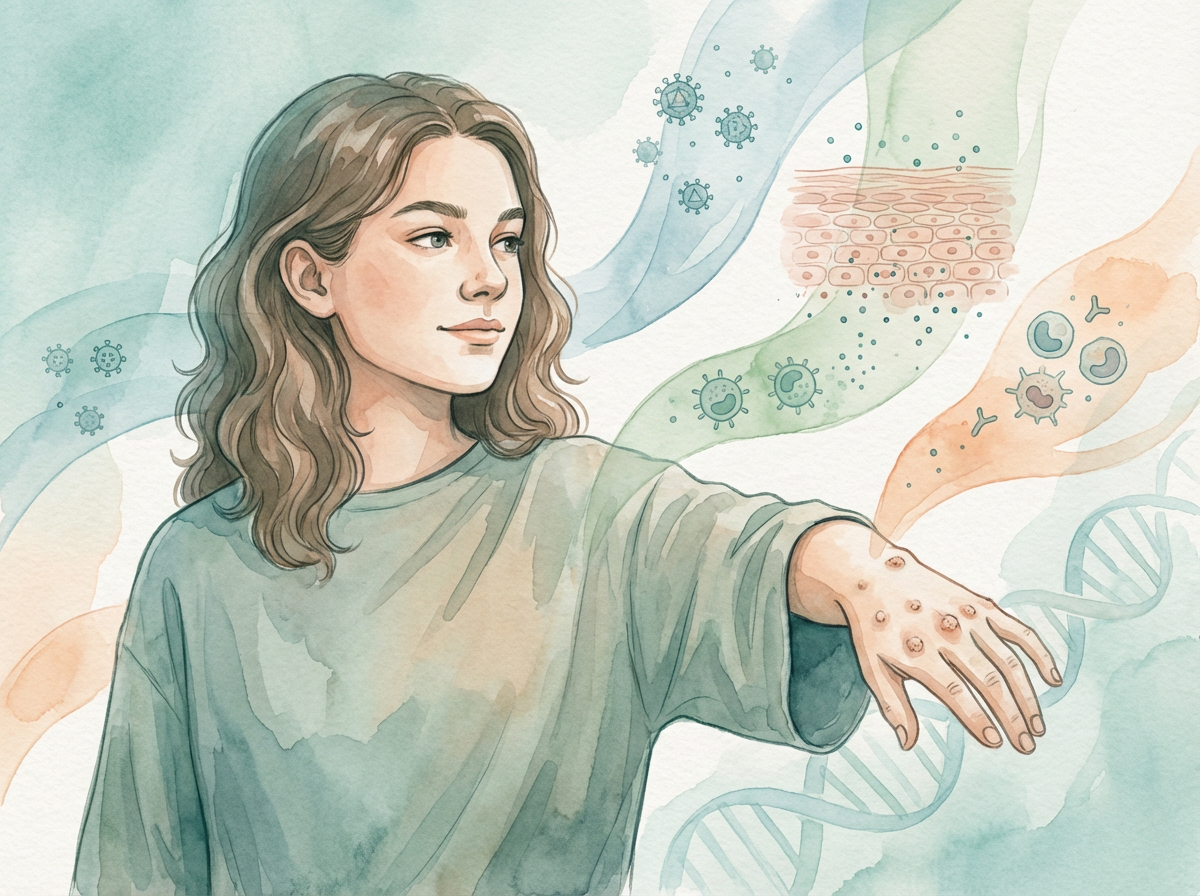
Warts are benign skin growths caused by the human papillomavirus (HPV). The virus infects the top layer of skin through tiny cuts or breaks, triggering rapid keratinocyte growth that produces the characteristic raised, rough-textured bumps. Over 100 HPV strains exist, with specific subtypes responsible for different wart presentations.
Nongenital warts are among the most common skin conditions in children and adolescents, with prevalence peaking between ages 12 and 16. Studies estimate that up to 33% of school-aged children have warts at any given time. While warts can resolve spontaneously – particularly in younger patients – many persist for months or years and can spread to other body areas or to close contacts.
At DESSNA, we treat warts as the viral skin condition they are – because effective clearance requires understanding your specific wart type, location, and the best approach for your age and skin.
Warts present in several forms
Common Warts (Verruca Vulgaris)
Rough, raised bumps most often found on fingers, hands, and around nails. They have a characteristic cauliflower-like texture with tiny black dots (thrombosed capillaries).
Plantar Warts (Verruca Plantaris)
Hard, grainy growths on the soles of the feet that grow inward due to pressure from walking. They can cause significant pain and are often mistaken for calluses.
Flat Warts (Verruca Plana)
Small, smooth, slightly raised lesions that tend to appear in large numbers – often on the face, forehead, or legs. Most common in children and teenagers.
Periungual Warts
Warts that grow around and under fingernails or toenails. They can distort nail growth, cause nail lifting, and are particularly challenging to treat due to their location.
Why Warts Happen
Warts are a viral skin infection – not a hygiene issue. Understanding how HPV infects the skin and why certain individuals are more susceptible helps us build a targeted treatment and prevention plan.
HPV Skin Infection
Warts are caused by specific strains of human papillomavirus that infect keratinocytes in the epidermis. The virus enters through microscopic breaks in the skin and hijacks cell machinery to replicate, producing the rapid, abnormal skin growth characteristic of warts.
Direct & Indirect Contact
HPV spreads through skin-to-skin contact or by touching contaminated surfaces – shared towels, pool decks, gym floors, and shower areas. The virus can also spread from one body part to another through scratching, nail biting, or shaving over existing warts.
Immune System Response
The immune system's ability to recognize and fight HPV determines whether warts develop, persist, or resolve. Children and immunocompromised individuals are more susceptible because their immune response to the virus is less effective.
Skin Barrier & Risk Factors
Broken skin, macerated (moisture-softened) skin, eczema, and frequent hand washing increase vulnerability. Communal environments – swimming pools, locker rooms, and sports facilities – create ideal conditions for HPV transmission.
How We Treat Warts at DESSNA
We provide effective, targeted wart removal using the most appropriate method for your wart type and location. Most warts are removed in one or two visits.
Accurate Diagnosis
We identify the wart type (common, plantar, flat, genital) and location. This determines the most effective removal method and helps us rule out other skin conditions.
Targeted Removal
We use cryotherapy, laser removal, or topical treatments depending on wart type and location. Each method is designed to remove the wart while minimizing scarring and recurrence.
Prevention & Monitoring
After removal, we provide aftercare and prevention strategies. While warts can recur, proper care and immune support reduce the likelihood of new growths.
Wart Treatment Options at Our Marietta Practice
We offer multiple removal methods tailored to your wart type, location, and treatment history. Here are the tools we use for effective wart removal.
Cryotherapy (Freezing)
Liquid nitrogen freezes the wart, causing it to blister and fall off within 1–2 weeks. Quick, effective, and requires minimal aftercare. Often requires multiple sessions.
Laser Removal
Laser technology precisely removes the wart and destroys the viral tissue at the base. Ideal for warts resistant to other treatments or in sensitive areas.
Topical Medications
Prescription-strength topicals like salicylic acid or imiquimod applied at home gradually remove the wart. Best for small, non-plantar warts.
Immunotherapy
We apply topical immunotherapy agents that stimulate your immune system to fight the HPV virus. Effective for patients with multiple warts or frequent recurrence.
Prevention & Hygiene Counseling
We provide strategies to prevent wart spread and recurrence: keep warts dry, avoid picking, use foot protection in public areas, and maintain healthy immune function.
Aftercare & Healing Support
We provide detailed aftercare instructions to ensure proper healing, minimize infection risk, and reduce recurrence. Follow-up visits monitor healing progress.
When Warts Need Medical Attention
While warts are benign, certain presentations warrant prompt dermatological evaluation rather than continued self-treatment:
New warts appearing frequently or spreading to multiple body areas
Foot warts causing difficulty walking or interfering with daily activities
Warts growing under or around nails, causing nail distortion or lifting
Any growth that bleeds easily, changes color, or doesn't look like a typical wart
Why Early Treatment Matters
Autoinoculation & Spread
Warts shed viral particles that can infect adjacent skin through scratching, picking, or normal contact. A single wart on a finger can seed new lesions on other fingers, hands, or even the face. The longer warts persist, the greater the risk of spreading to new sites and to close contacts – particularly siblings and classmates.
Psychosocial Impact in Young Patients
Visible warts – especially on the hands and face – can cause significant embarrassment and social anxiety in children and teenagers. Studies show that warts negatively affect quality of life in school-aged patients, impacting self-esteem during critical developmental years. Early treatment helps restore confidence.
Treatment Resistance Over Time
Established warts develop a robust blood supply and thickened tissue that make them increasingly difficult to treat. Newer, smaller warts respond more quickly and require fewer treatment sessions than large, longstanding lesions – making early intervention both more effective and less burdensome.
The sooner warts are treated, the fewer sessions are typically needed and the lower the risk of spreading. We'll match the right treatment to your child's age, wart type, and comfort level.
What Our Patients Say
“Doctor Edward Chen is the BEST! He's very professional, very caring, he will always give you his honest advice. He helped my son who had acne issues – his skin now looks great like never before.”
“Dr. Candace Green has a very warm bedside manner and makes you feel very comfortable! Great office, staff, and overall experience.”
“The office is well run and Dr. Green is thorough.”
Wart Treatment FAQs
Answers to the questions our Marietta and East Cobb patients ask most about wart care.
Yes. Warts are caused by HPV and spread through direct skin-to-skin contact or by touching contaminated surfaces like shared towels, pool decks, and gym equipment. They can also spread from one body part to another (autoinoculation) through scratching or picking. Covering warts and practicing good hand hygiene reduces transmission risk.
Ready to Clear Warts in Marietta or East Cobb?
Your first step is a consultation with one of our board-certified dermatologists. We'll evaluate your warts, explain your treatment options clearly, and build a plan that works for your family.
Most patients see significant improvement within 3 – 6 treatment sessions.
Related Conditions & Services
Explore other viral and benign skin growths we treat at our Marietta practice