
Cold Sore Treatment in
Marietta & East Cobb
Board-certified dermatology care for cold sores (oral herpes) – rapid relief, expert prevention plans, and compassionate support for recurrent outbreaks.
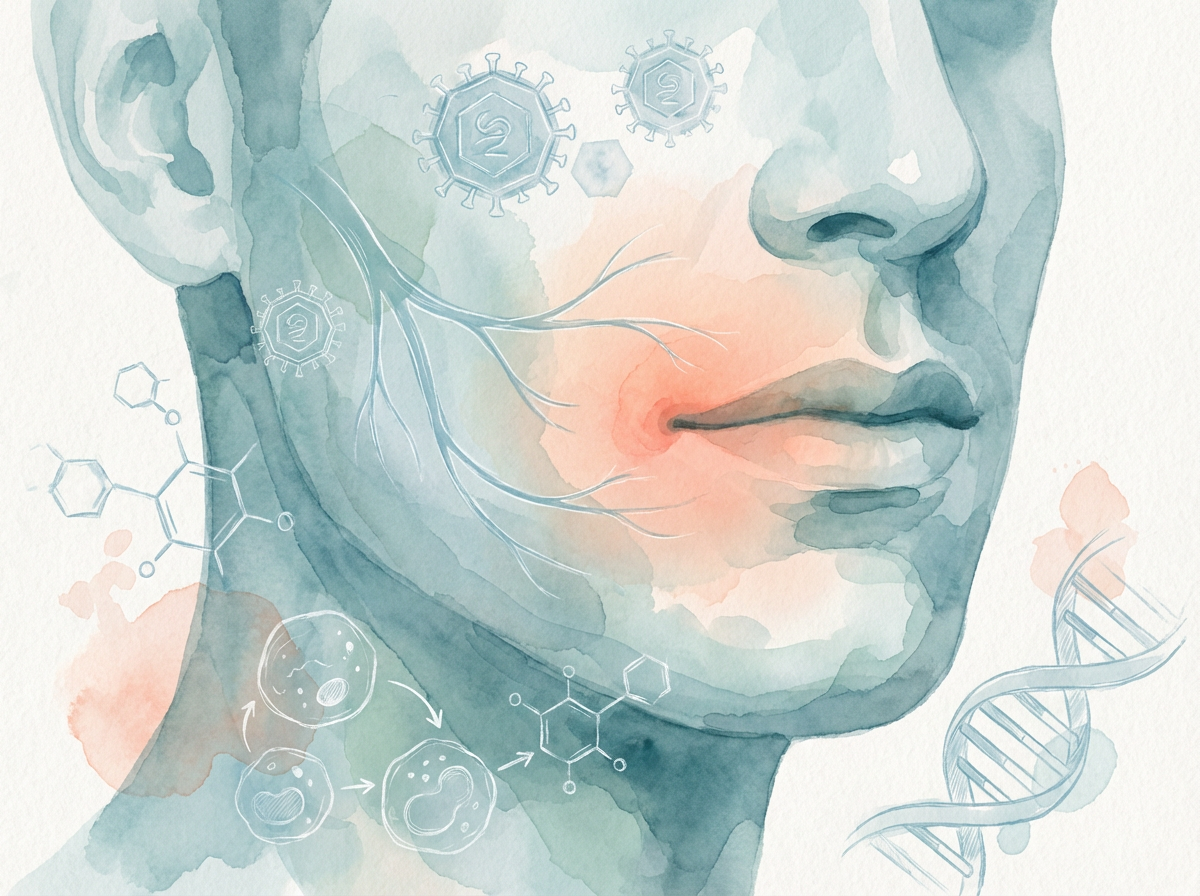
What Are Cold Sores?
Cold sores are painful, fluid-filled blisters that appear on or around the lips. They are caused by the herpes simplex virus (most often HSV-1) and are highly contagious during outbreaks.
While cold sores usually heal within 7–10 days, they can be uncomfortable, unsightly, and disruptive to daily life. Professional care can speed healing, reduce pain, and help prevent future outbreaks.
At DESSNA, we provide fast-acting antiviral treatments and long-term prevention strategies for patients with frequent or severe outbreaks.
Types & Phases of Cold Sores
Herpes Simplex Virus Type 1 (HSV-1)
The most common cause of cold sores. HSV-1 infects the lips and mouth, remaining dormant in nerve cells and reactivating with triggers like stress, illness, or sun exposure.
Herpes Simplex Virus Type 2 (HSV-2)
Primarily causes genital herpes, but can also cause oral lesions. Less common for cold sores, but possible through oral-genital contact.
Primary Infection
The first encounter with HSV, often in childhood, may cause painful mouth sores, fever, and swollen glands. Many people experience only mild symptoms or none at all.
Recurrent Cold Sores
After the initial infection, the virus remains dormant and can reactivate, causing new outbreaks. Recurrences are common and often triggered by stress, illness, or sunburn.
Why Cold Sores Develop
Cold sores result from HSV-1 viral reactivation. Understanding triggers and transmission helps guide both treatment and prevention strategies.
HSV-1 Viral Infection
Cold sores are caused by the herpes simplex virus type 1 (HSV-1). Once contracted, the virus remains dormant in nerve cells and can reactivate periodically, causing recurrent outbreaks.
Stress & Immune System
Physical or emotional stress, illness, fatigue, and weakened immunity can trigger viral reactivation. The body's ability to suppress the dormant virus diminishes during these periods.
Environmental Triggers
Sun exposure, cold weather, wind, and fever can all provoke outbreaks. UV radiation and temperature extremes weaken local immune defenses around the lips.
Direct Contact Transmission
HSV-1 spreads through direct contact with active lesions or infected saliva. Sharing utensils, lip products, or close contact during an outbreak increases transmission risk.
How We Treat Cold Sores at DESSNA
We prioritize accurate diagnosis first, effective antiviral treatment second, and long-term prevention always – so your outbreaks heal faster and occur less often.
Clinical Diagnosis
Your dermatologist examines the lesion to confirm it's a cold sore (herpes labialis) and not another condition like impetigo, angular cheilitis, or canker sores. Early diagnosis allows for prompt antiviral intervention.
Antiviral Treatment Plan
We prescribe oral or topical antiviral medications (such as acyclovir, valacyclovir, or famciclovir) to reduce outbreak duration and severity. For frequent outbreaks, suppressive therapy may be recommended to prevent recurrences.
Prevention & Management
We help you identify personal triggers (stress, sun exposure, illness) and develop strategies to minimize future outbreaks. Sun protection, stress management, and early intervention at the first sign of tingling can reduce frequency and severity.
Cold Sores Treatment Options at Our Marietta Practice
Your treatment plan is tailored to your outbreak frequency, severity, and triggers. Here are the tools we use to heal faster and prevent future outbreaks.
Oral Antiviral Medications
Prescription antivirals (acyclovir, valacyclovir, famciclovir) shorten outbreak duration, reduce severity, and speed healing. Most effective when started at the first sign of tingling or burning.
Topical Antiviral Creams
Prescription topical antivirals applied directly to the lesion can reduce healing time when used at the first symptom. Best for patients who prefer localized treatment or have infrequent outbreaks.
Suppressive Therapy
Daily low-dose antiviral medication reduces outbreak frequency by up to 70 – 80%. Recommended for patients with frequent recurrences or those who want to minimize transmission risk.
Trigger Identification & Prevention
We help you identify personal triggers (stress, sun, illness, hormones) and develop strategies to minimize exposure. Sun protection, stress management, and immune support reduce outbreak frequency.
Sun Protection Planning
UV exposure is a common trigger. We recommend lip balms with SPF 30+, protective habits, and antioxidant support to prevent sun-induced reactivation and protect healing lesions.
Immune Support Strategies
Comprehensive approach including stress reduction techniques, adequate sleep, nutrition counseling, and lifestyle modifications to strengthen immune defenses and reduce viral reactivation.
When Is a Lip Lesion More Than a Cold Sore?
Most cold sores are straightforward HSV-1 infections. But certain features may indicate other conditions that require different treatment:
Persistent lesions may indicate immune issues or other infections
May suggest bacterial superinfection or other complications
Requires immediate medical attention to prevent serious complications
May benefit from suppressive antiviral therapy
Requires specialized treatment and monitoring
Why Professional Evaluation Is Essential
Cold Sores vs. Canker Sores
Canker sores (aphthous ulcers) occur inside the mouth and are not caused by HSV-1. They're not contagious and require different treatment. Cold sores appear on or around the lips and are highly contagious during active outbreaks.
Cold Sores vs. Impetigo
Impetigo is a bacterial skin infection that can cause similar-looking lesions with honey-colored crusting. It requires antibiotic treatment, not antivirals. Accurate diagnosis ensures you receive the right medication.
If you have a lip lesion that doesn't heal, is unusually painful, or occurs frequently, a dermatologist evaluation is the safest first step – and it takes just minutes.
What Our Patients Say
“Doctor Edward Chen is the BEST! He's very professional, very caring, he will always give you his honest advice. He helped my son who had acne issues – his skin now looks great like never before.”
“Dr. Candace Green has a very warm bedside manner and makes you feel very comfortable! Great office, staff, and overall experience.”
“The office is well run and Dr. Green is thorough.”
Cold Sores Treatment FAQs
Answers to the questions our Marietta and East Cobb patients ask most about cold sore care.
Yes. Cold sores are highly contagious during active outbreaks (from the first tingling sensation through complete healing). HSV-1 spreads through direct contact with the lesion or infected saliva. Avoid kissing, sharing utensils, lip products, or towels during an outbreak.
Ready for Faster Healing and Fewer Outbreaks in Marietta or East Cobb?
Your first step is a consultation with one of our board-certified dermatologists. We'll confirm the diagnosis, prescribe the most effective antiviral treatment, and develop a personalized prevention plan to reduce future outbreaks.
Early antiviral treatment can reduce healing time by 3 – 4 days.
Related Conditions & Services
Explore other viral and infectious skin conditions we treat at our Marietta practice