
Boil & Abscess Treatment in
Marietta & East Cobb
Board-certified dermatology care for painful boils, skin abscesses, and recurrent furunculosis – with safe drainage, infection control, and strategies to prevent recurrence.
What Are Boils & Abscesses?
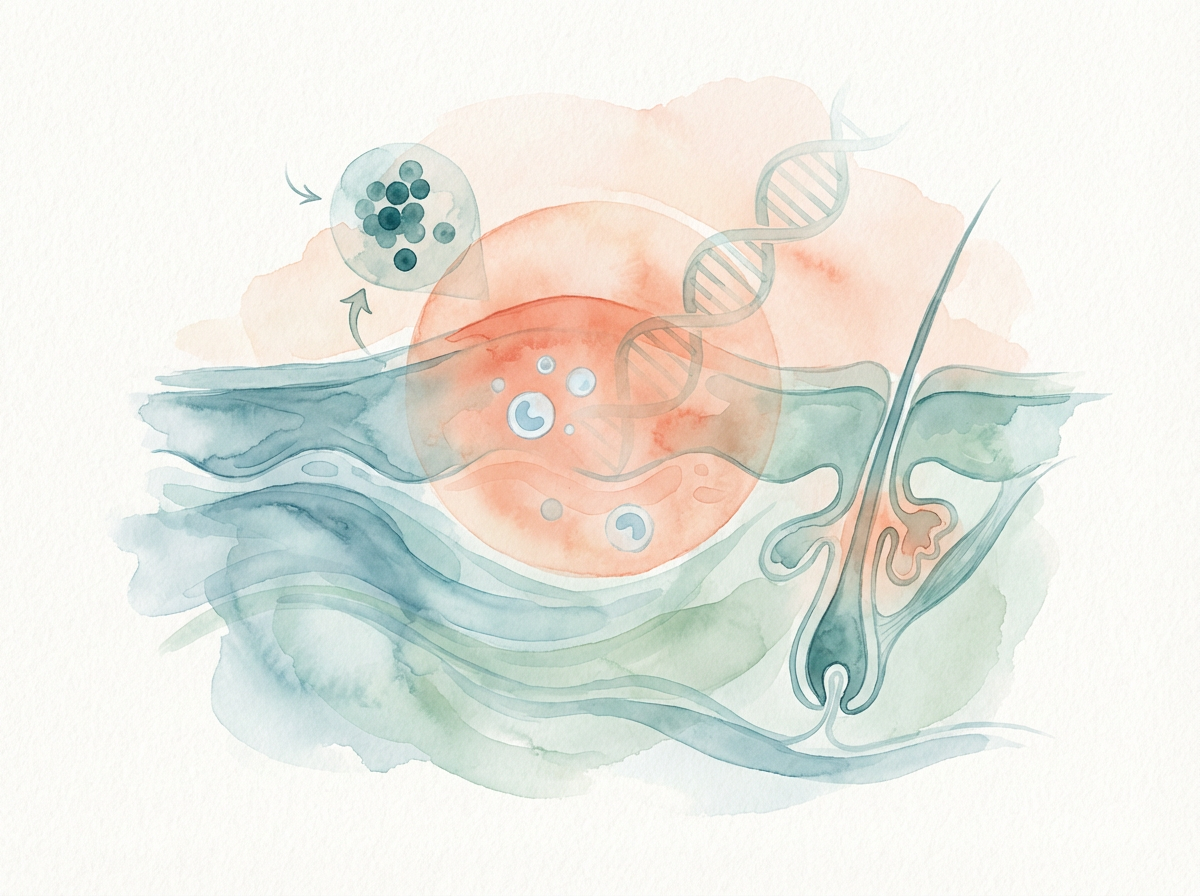
Boils (furuncles) and skin abscesses are localized bacterial infections that develop deep within the skin, typically around hair follicles. They present as painful, swollen, red lumps that fill with pus as the body attempts to fight the infection.
While a small boil may resolve on its own, larger boils, abscesses, and recurrent infections require professional medical care. Without proper treatment, the infection can spread to surrounding tissue, enter the bloodstream, or cause significant scarring.
At DESSNA, we provide safe, sterile treatment for acute infections and build long-term strategies for patients who experience recurrent boils – addressing both the immediate problem and the underlying cause.
Types of skin infections we treat
Furuncle (Boil)
A deep, painful, pus-filled infection of a single hair follicle. Typically appears as a firm, red, tender nodule that gradually softens and develops a white or yellow head.
Carbuncle
A cluster of connected furuncles forming a larger, deeper area of infection. Carbuncles often cause systemic symptoms like fever and fatigue and require more aggressive treatment.
Skin Abscess
A walled-off collection of pus within the deeper layers of skin. Abscesses can develop from boils or independently, and typically require professional drainage to resolve.
Recurrent Furunculosis
A pattern of repeated boil formation over months or years, often linked to Staphylococcus aureus colonization. Requires a comprehensive decolonization and prevention strategy.
Why Boils & Abscesses Develop
Boils are not simply "bad hygiene." They result from a specific interplay of bacteria, skin vulnerability, and immune factors. Understanding the cause is key to preventing recurrence.
Staphylococcus Aureus
The most common cause of boils and abscesses. Staph bacteria enter through small breaks in the skin or travel down hair follicles, triggering a deep inflammatory response and pus formation.
Blocked Hair Follicles
Friction from tight clothing, shaving irritation, or ingrown hairs can damage follicles and create entry points for bacteria. Areas prone to sweating and friction are most commonly affected.
Weakened Immune Response
Diabetes, immunosuppressive medications, chronic illness, and nutritional deficiencies can impair the body's ability to fight bacterial infections, increasing susceptibility to boils.
Nasal Staph Colonization
Many people carry Staphylococcus aureus in their nasal passages without symptoms. This colonization can serve as a reservoir for recurrent skin infections, especially in the face and trunk.
How We Treat Boils & Abscesses at DESSNA
We resolve the immediate infection safely and build a prevention strategy so you're not back in the same situation months later.
Clinical Assessment
Your dermatologist examines the infection's size, depth, location, and stage. We assess for signs of spreading infection (cellulitis), evaluate your medical history for risk factors like diabetes or immune compromise, and determine whether culture and sensitivity testing is needed.
Treatment & Drainage
For mature boils and abscesses, sterile incision and drainage (I&D) is the gold standard. We perform this in-office under local anesthesia, ensuring complete evacuation of pus and proper wound packing. Antibiotics are prescribed when clinically indicated – not as a default.
Recurrence Prevention
For patients with recurrent boils, we develop a comprehensive decolonization protocol targeting nasal and skin Staph carriage. This may include mupirocin nasal ointment, chlorhexidine body washes, and hygiene modifications to break the cycle of reinfection.
Boil & Abscess Treatment Options at Our Marietta Practice
Your treatment is determined by the infection's size, depth, and whether it's a first occurrence or part of a recurrent pattern.
Incision & Drainage (I&D)
The gold standard for fluctuant abscesses. Performed under local anesthesia in our Marietta office, we make a controlled incision, evacuate the infection, and pack the wound to promote healing from the inside out.
Antibiotic Therapy
Oral antibiotics are prescribed when infection extends beyond the abscess cavity, when there are systemic symptoms, or when culture results indicate resistant organisms like MRSA.
Decolonization Protocol
A structured regimen of mupirocin nasal ointment, chlorhexidine body washes, and environmental hygiene measures designed to eliminate Staphylococcus aureus carriage and break the cycle of reinfection.
Wound Care Management
Detailed wound care instructions, follow-up packing changes, and monitoring to ensure complete healing without complications. We schedule follow-ups to track progress and adjust care as needed.
Culture & Sensitivity Testing
Laboratory analysis of wound cultures to identify the specific bacteria causing infection and determine which antibiotics will be most effective – especially important for suspected MRSA cases.
Underlying Condition Screening
Evaluation for conditions that predispose to recurrent infections, including diabetes screening, immune function assessment, and identification of modifiable risk factors like iron deficiency.
When Is a Boil a Medical Emergency?
Most boils can be treated in an outpatient setting, but certain warning signs require urgent evaluation:
Lines extending from the boil
Temperature above 100.4°F
Boils near eyes, nose, or spine
Significant increase in 24–48 hours
Several appearing simultaneously
Why Professional Treatment Matters
Never Squeeze or Lance at Home
Attempting to drain a boil at home risks pushing the infection deeper into tissue, spreading bacteria to surrounding skin, and introducing new bacteria through non-sterile instruments. Professional incision and drainage under sterile conditions is significantly safer and more effective.
MRSA Awareness
Methicillin-resistant Staphylococcus aureus (MRSA) is an increasingly common cause of skin abscesses. MRSA infections do not respond to standard antibiotics and require culture-guided treatment. If you have a boil that isn't improving with initial care, MRSA testing is an important next step.
If you're experiencing a painful, growing lump under your skin – especially with redness, warmth, or fever – contact our Marietta office for a prompt evaluation. Early treatment reduces complications and scarring.
What Our Patients Say
“Doctor Edward Chen is the BEST! He's very professional, very caring, he will always give you his honest advice. He helped my son who had acne issues – his skin now looks great like never before.”
“Dr. Candace Green has a very warm bedside manner and makes you feel very comfortable! Great office, staff, and overall experience.”
“The office is well run and Dr. Green is thorough.”
Boil & Abscess Treatment FAQs
Answers to the questions our Marietta and East Cobb patients ask most about boil and abscess care.
A boil (furuncle) is a deep infection of a single hair follicle, while an abscess is a larger, walled-off collection of pus that can develop from a boil or independently. Abscesses tend to be larger, deeper, and more likely to require professional drainage. Both are caused by bacterial infection, most commonly Staphylococcus aureus.
Dealing With a Painful Boil or Abscess in Marietta or East Cobb?
Don't wait for it to worsen. Our board-certified dermatologists provide safe, sterile drainage and a clear plan to prevent recurrence – all in one visit at our Marietta office.
Same-week appointments available for acute skin infections.
Related Conditions & Services
Explore other infectious and inflammatory skin conditions we treat at our Marietta practice