
Eczema Treatment in
Marietta & East Cobb
Board-certified dermatology care for atopic dermatitis, chronic eczema, and flare management – with personalized treatment plans that restore comfort and protect your skin long-term.
What Is Eczema?
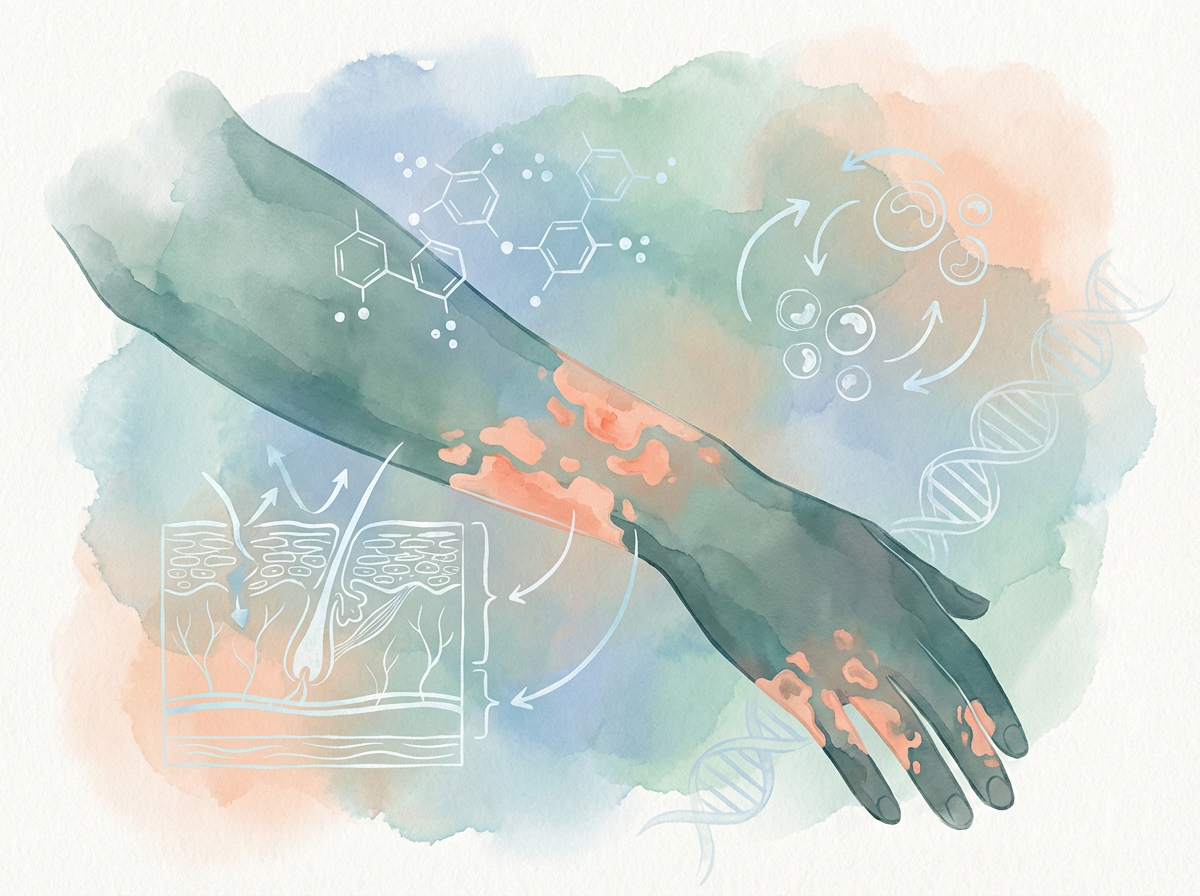
Eczema (atopic dermatitis) is a chronic inflammatory skin condition that causes dry, itchy, red, and sometimes cracked or weeping skin. It affects over 31 million Americans and can range from mild dryness to severe, debilitating flares that disrupt sleep, work, and daily life.
At its core, eczema involves two problems: a compromised skin barrier that allows moisture to escape and irritants to penetrate, and an overactive immune response that triggers inflammation even to minor triggers. This combination creates a cycle of itching, scratching, and further barrier damage.
At DESSNA, we break this cycle with a comprehensive approach – repairing the skin barrier, controlling inflammation, identifying triggers, and building a long-term management plan that keeps your skin comfortable and clear.
Types of eczema we treat
Atopic Dermatitis
The most common form of eczema, often beginning in childhood. Linked to genetic skin barrier dysfunction and immune system overactivity. Causes chronic dry, itchy, inflamed patches, typically on the face, inner elbows, and behind the knees.
Dyshidrotic Eczema
Small, intensely itchy blisters on the palms, fingers, and soles of the feet. Often triggered by stress, allergies, or moisture exposure. Can be painful and recurrent without proper management.
Nummular Eczema
Coin-shaped, well-defined patches of irritated skin that can ooze and crust. Often triggered by dry skin, insect bites, or contact irritants. Can be mistaken for fungal infections or psoriasis.
Stasis Dermatitis
Develops on the lower legs due to poor circulation and venous insufficiency. Causes swelling, redness, scaling, and skin discoloration. Requires treatment of both the skin and underlying vascular issues.
Why Eczema Develops
Eczema is not caused by poor hygiene or a single factor. It results from a complex interplay of genetics, immune dysfunction, and environmental triggers. Understanding the science helps guide effective, lasting treatment.
Skin Barrier Dysfunction
Genetic mutations (particularly in the filaggrin gene) weaken the skin's protective barrier, allowing moisture to escape and irritants, allergens, and microbes to penetrate. This is the foundational defect in most atopic dermatitis.
Immune System Overactivity
In eczema, the immune system overreacts to environmental triggers, producing excessive inflammatory chemicals (cytokines like IL-4 and IL-13) that cause redness, swelling, and intense itching – even to substances that wouldn't bother healthy skin.
Environmental Triggers
Dry air, harsh soaps, fragrances, wool, dust mites, pet dander, pollen, and temperature extremes can all trigger or worsen eczema flares. Identifying and minimizing your personal triggers is a key part of long-term management.
Stress & Lifestyle Factors
Emotional stress, sleep deprivation, hormonal changes, and certain foods can amplify the immune response and trigger flares. The itch-scratch cycle itself creates additional stress, perpetuating the condition.
How We Treat Eczema at Our Marietta Practice
We go beyond symptom relief. Our approach addresses the root causes of your eczema – barrier dysfunction and immune overactivity – to deliver lasting comfort and control.
Comprehensive Skin Evaluation
Your dermatologist performs a thorough examination of affected areas, assesses severity using standardized scoring tools, and takes a detailed history of triggers, previous treatments, and family history. We differentiate eczema from conditions that mimic it – including contact dermatitis, psoriasis, and fungal infections.
Targeted Treatment Plan
Based on your evaluation, we build a layered treatment approach: barrier repair as the foundation, anti-inflammatory therapies calibrated to severity, and advanced options (biologics, JAK inhibitors, phototherapy) for moderate-to-severe cases that haven't responded to conventional treatments.
Long-Term Flare Prevention
Eczema is a chronic condition that requires ongoing management. We create a proactive maintenance plan including trigger avoidance strategies, skin care routines, proactive anti-inflammatory therapy, and a clear flare action plan – so you know exactly what to do when symptoms return.
Eczema Treatment Options at Our Marietta Practice
Your treatment plan is layered and personalized – starting with barrier repair and escalating to advanced therapies based on your severity, response, and goals.
Topical Corticosteroids
Prescription-strength anti-inflammatory creams and ointments matched to the severity and location of your eczema. We use the lowest effective potency for the shortest duration, with clear tapering protocols to prevent rebound flares.
Calcineurin Inhibitors
Non-steroidal anti-inflammatory creams (tacrolimus, pimecrolimus) ideal for sensitive areas where long-term steroid use is not recommended. Effective for both acute flares and proactive maintenance therapy.
Barrier Repair Therapy
Medical-grade emollients and ceramide-based moisturizers that restore the skin's protective barrier. Proper barrier repair is the foundation of all eczema treatment – reducing flare frequency and improving treatment response.
Biologic Therapy (Dupixent)
Dupilumab (Dupixent) targets the specific immune pathways (IL-4 and IL-13) that drive eczema inflammation. FDA-approved for adults and children 6 months and older with moderate-to-severe atopic dermatitis not adequately controlled by topical therapies.
Phototherapy (Light Therapy)
Narrowband UVB light therapy modulates the immune response in the skin, reducing inflammation and itching. Administered in-office 2 – 3 times per week, phototherapy is effective for patients who need more than topical treatments alone.
JAK Inhibitors
Oral JAK inhibitors (such as abrocitinib or upadacitinib) block specific inflammatory signaling pathways. These newer medications offer rapid itch relief and skin clearing for patients with moderate-to-severe eczema who haven't responded to other treatments.
The Itch-Scratch Cycle
Understanding this cycle is key to breaking it. Each stage compounds the next, making early intervention critical:
Compromised skin allows irritants to penetrate
Inflammatory chemicals trigger intense itching
Scratching provides temporary relief but damages skin further
Broken skin invites infection and more inflammation
Worsening barrier leads to more intense flares
Why Professional Evaluation Is Essential
Eczema vs. Contact Dermatitis
Contact dermatitis is triggered by a specific external substance (allergen or irritant), while atopic dermatitis is a chronic, genetically-driven condition. Treatment differs significantly – contact dermatitis requires trigger identification through patch testing, while eczema requires long-term immune modulation and barrier repair.
Eczema vs. Psoriasis
Psoriasis produces thick, silvery scales on well-defined plaques, while eczema tends to cause thinner, more diffuse patches with intense itching. The immune pathways involved are different, and treatments that work for one may not work for the other. Accurate diagnosis ensures the right treatment approach.
If you've been managing eczema on your own without lasting relief, a dermatologist evaluation can identify the specific type, severity, and triggers – and open the door to treatments that actually work.
What Our Patients Say
“Doctor Edward Chen is the BEST! He's very professional, very caring, he will always give you his honest advice. He helped my son who had acne issues – his skin now looks great like never before.”
“Dr. Candace Green has a very warm bedside manner and makes you feel very comfortable! Great office, staff, and overall experience.”
“The office is well run and Dr. Green is thorough.”
Eczema Treatment FAQs
Answers to the questions our Marietta and East Cobb patients ask most about eczema care.
There is currently no cure for atopic dermatitis, but it can be very effectively managed. Many children outgrow eczema, and adults can achieve long periods of clear or near-clear skin with the right treatment plan. The goal is to minimize flares, control symptoms, and maintain skin comfort and health long-term.
Ready for Lasting Eczema Relief in Marietta or East Cobb?
Your first step is a comprehensive skin evaluation with one of our board-certified dermatologists. We'll assess your eczema severity, identify triggers, and build a personalized treatment plan – from barrier repair to advanced therapies – designed to give you lasting comfort.
Most patients experience significant itch relief and skin improvement within 2 – 6 weeks of targeted treatment.
Related Conditions & Services
Explore other inflammatory skin conditions we treat at our Marietta practice