
Hives (Urticaria) Treatment in
Marietta & East Cobb
Board-certified dermatology care for acute and chronic hives – accurate diagnosis, trigger identification, and advanced treatment options to stop the itch and prevent recurrence.
What Are Hives (Urticaria)?
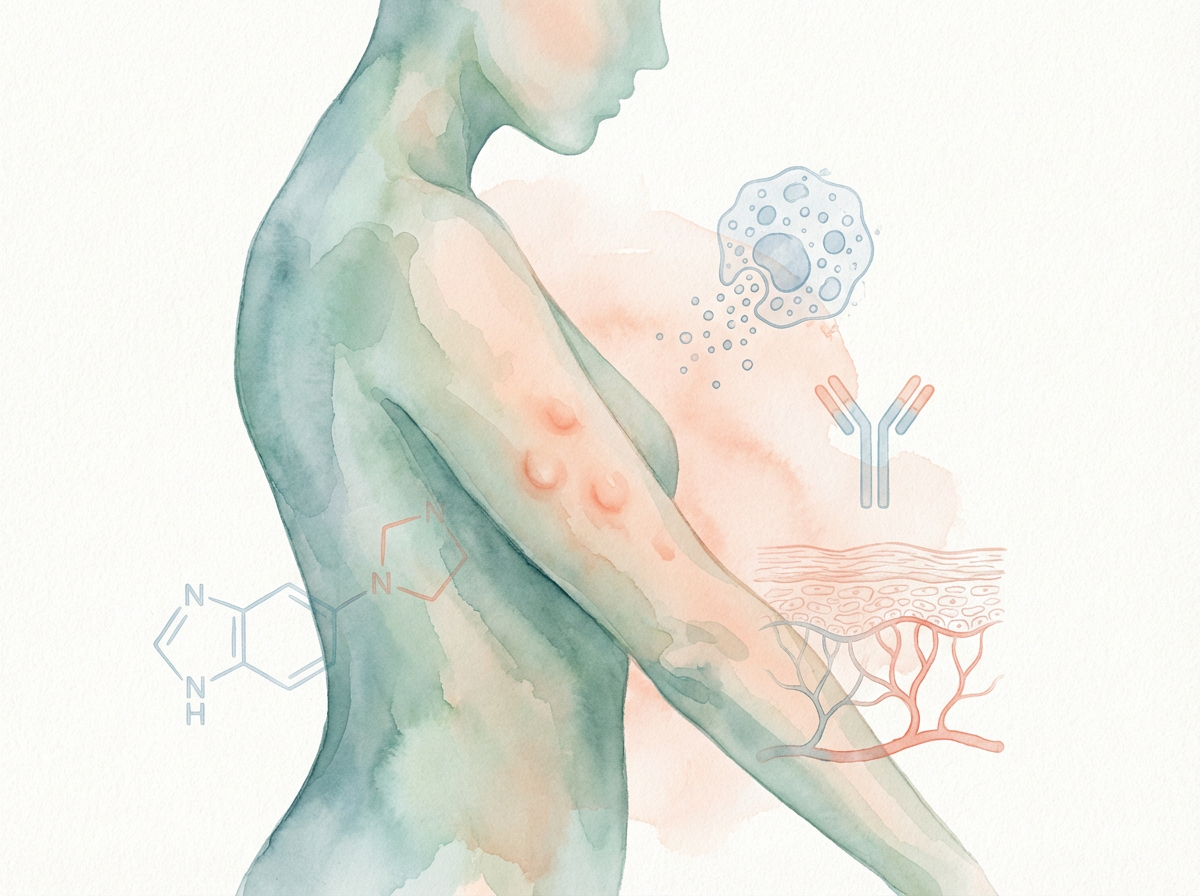
Hives – clinically known as urticaria – are raised, itchy welts that appear on the skin due to the release of histamine and other inflammatory mediators. They can range from small spots to large patches and often change location within hours.
While acute hives are common and usually resolve quickly, chronic hives can significantly impact quality of life. Understanding the type and trigger of your hives is essential for effective treatment.
At DESSNA, we provide comprehensive evaluation to identify triggers, rule out underlying conditions, and create a personalized treatment plan for lasting relief.
Not all hives are the same
Acute Urticaria
Hives lasting less than 6 weeks, often triggered by allergies, infections, or medications. Usually resolves with treatment and trigger avoidance.
Chronic Urticaria
Hives persisting for more than 6 weeks, often without an identifiable trigger. May be autoimmune-related and requires specialized management.
Physical Urticaria
Hives triggered by physical stimuli like pressure, cold, heat, or exercise. Includes dermatographism (skin writing) and cholinergic urticaria.
Angioedema
Deep swelling beneath the skin, often affecting the face, lips, tongue, or throat. Can occur with or without hives and may require urgent care.
Why Hives Develop
Hives result from the release of histamine and other inflammatory mediators. Identifying the trigger is key to effective treatment and prevention.
Allergic Reactions
Foods, medications, insect stings, or latex can trigger acute hives. The immune system releases histamine in response to perceived threats, causing rapid welt formation.
Autoimmune Triggers
In chronic urticaria, the immune system may mistakenly attack healthy tissue. Autoantibodies can activate mast cells, leading to persistent hives without external triggers.
Infections & Illness
Viral or bacterial infections, particularly in children, can cause acute hives. Chronic infections like H. pylori or hepatitis may contribute to persistent urticaria.
Physical Stimuli
Pressure, temperature changes, sunlight, exercise, or water contact can trigger physical urticaria. These hives appear within minutes of exposure and typically resolve quickly.
How We Treat Hives at DESSNA
We prioritize accurate diagnosis first, effective treatment second, and long-term management always – so your results are safe, lasting, and visible.
Comprehensive Evaluation
Your dermatologist performs a detailed history and physical examination to identify potential triggers, rule out underlying conditions, and classify your hives. We may recommend allergy testing, blood work, or other diagnostics to pinpoint the cause.
Personalized Treatment Plan
Based on your evaluation, we create a tailored approach combining trigger avoidance, antihistamines, and advanced therapies as needed. For chronic urticaria, we may recommend immunomodulators or biologic therapy for long-term control.
Ongoing Management & Support
Hives can be unpredictable. We provide ongoing monitoring, adjust treatment as needed, and equip you with strategies to manage flare-ups. Our goal is lasting relief and improved quality of life.
Hives Treatment Options at Our Marietta Practice
Your treatment plan is tailored to the type and severity of your hives, identified triggers, and response to initial therapy. Here are the tools we use to achieve lasting relief.
Antihistamines
Non-sedating antihistamines block histamine receptors to prevent welt formation and relieve itching. Higher doses may be needed for chronic urticaria. Safe for long-term use under dermatologist guidance.
Trigger Avoidance
Once triggers are identified through testing or elimination, avoiding specific foods, medications, or environmental factors can prevent future episodes. Essential for long-term management.
Immunomodulators
Medications like omalizumab (Xolair) or cyclosporine target the immune pathways driving chronic hives. Highly effective for autoimmune-related urticaria with excellent safety profiles.
Corticosteroids
Short-term oral steroids quickly reduce inflammation and swelling during severe episodes. Not recommended for long-term use due to side effects, but invaluable for acute relief.
Allergy Testing
Skin prick tests, patch tests, or blood work identify specific allergens contributing to hives. Results guide targeted avoidance strategies and treatment adjustments.
Biologic Therapy
Omalizumab (Xolair) is FDA-approved for chronic hives unresponsive to antihistamines. Administered monthly via injection, it provides significant relief for 70 – 80% of patients.
When Are Hives a Medical Emergency?
Most hives are uncomfortable but not dangerous. However, certain symptoms require immediate medical attention:
Wheezing, shortness of breath, or throat tightness
Rapid swelling of face, lips, tongue, or throat
Signs of anaphylaxis or severe allergic reaction
Cardiovascular symptoms accompanying hives
Why Professional Evaluation Is Essential
Chronic vs. Acute Urticaria
Hives lasting more than 6 weeks are classified as chronic and often require different management strategies. A dermatologist can distinguish between acute allergic reactions and chronic autoimmune-driven hives, guiding appropriate treatment.
Identifying Underlying Conditions
Chronic hives can be associated with thyroid disease, autoimmune conditions, or chronic infections. Comprehensive evaluation ensures we address the root cause, not just the symptoms.
If you have hives lasting more than a few days, recurring episodes, or symptoms affecting your daily life, a dermatologist evaluation is the safest first step – and it takes just minutes.
What Our Patients Say
“Doctor Edward Chen is the BEST! He's very professional, very caring, he will always give you his honest advice. He helped my son who had acne issues – his skin now looks great like never before.”
“Dr. Candace Green has a very warm bedside manner and makes you feel very comfortable! Great office, staff, and overall experience.”
“The office is well run and Dr. Green is thorough.”
Hives Treatment FAQs
Answers to the questions our Marietta and East Cobb patients ask most about hives care.
Hives result from the release of histamine and other inflammatory mediators from mast cells in the skin. Triggers include allergies (foods, medications, insect stings), infections, autoimmune conditions, physical stimuli (pressure, cold, heat), and stress. In many cases of chronic urticaria, no specific trigger is identified.
Ready for Lasting Relief from Hives in Marietta or East Cobb?
Your first step is a comprehensive evaluation with one of our board-certified dermatologists. We'll identify triggers, rule out underlying conditions, and create a personalized treatment plan for lasting relief.
Most patients experience significant improvement within 2 – 4 weeks of starting treatment.
Related Conditions & Services
Explore other allergic and inflammatory skin conditions we treat at our Marietta practice