
Dandruff & Seborrheic Dermatitis Treatment in
Marietta & East Cobb
Board-certified dermatology care for persistent dandruff and seborrheic dermatitis – accurate diagnosis, prescription-strength solutions, and long-term scalp health strategies.
What Is Dandruff?
Dandruff is a common scalp condition characterized by flaking skin, itching, and sometimes redness. While often dismissed as a cosmetic nuisance, persistent dandruff frequently signals an underlying dermatological condition – most commonly seborrheic dermatitis – that benefits from professional evaluation and treatment.
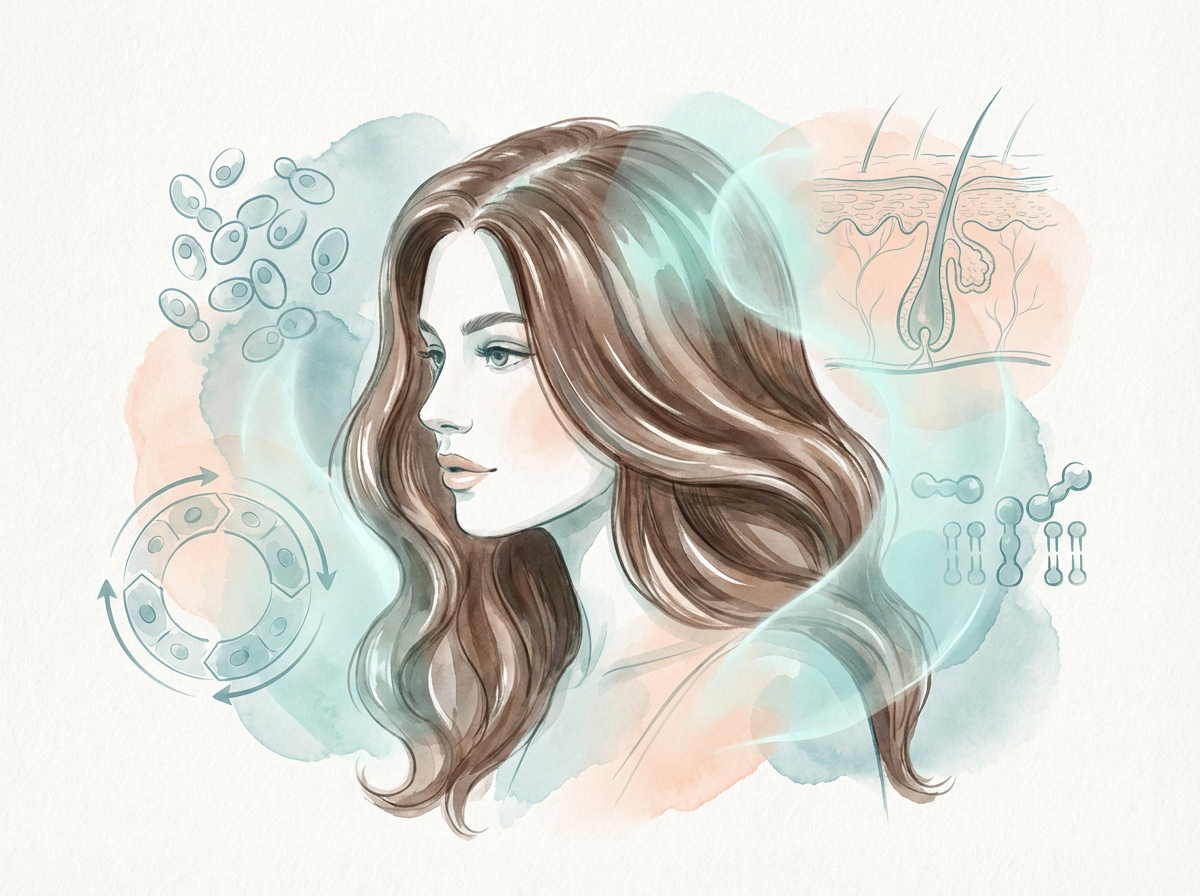
The scalp, like the rest of your skin, has a complex microbiome. When the balance between skin cell turnover, oil production, and resident fungi (particularly Malassezia) is disrupted, the result is accelerated shedding of skin cells that clump together into visible flakes.
At DESSNA, we go beyond symptom management. Our board-certified dermatologists identify the specific type and cause of your scalp condition, then build a targeted treatment plan that addresses the root issue – not just the flaking.
Types of scalp conditions we treat
Dry Skin Dandruff
The most common form, producing small, white, dry flakes that fall easily from the scalp. Often worsens in cold, dry weather and may improve with proper moisturizing treatments.
Seborrheic Dermatitis
A chronic inflammatory condition causing oily, yellowish scales and red, irritated patches on the scalp. Can also affect the eyebrows, nasolabial folds, ears, and chest. Linked to Malassezia yeast overgrowth.
Scalp Psoriasis
An autoimmune condition that produces thick, silvery-white scales and well-defined red plaques on the scalp. Often extends beyond the hairline and may be associated with psoriasis elsewhere on the body.
Fungal Scalp Infection (Tinea Capitis)
A contagious fungal infection causing patchy flaking, scaling, and sometimes hair loss. More common in children but can affect adults. Requires oral antifungal treatment for resolution.
Why Dandruff Develops
Dandruff is not caused by poor hygiene. It results from a complex interaction between scalp fungi, oil production, immune response, and individual susceptibility. Understanding the cause guides effective treatment.
Malassezia Yeast Overgrowth
Malassezia is a naturally occurring fungus on the scalp. When it proliferates excessively – often triggered by excess oil production – it breaks down sebum into oleic acid, which irritates the scalp and accelerates skin cell turnover, producing visible flakes.
Excess Sebum Production
Overactive sebaceous glands create an oily scalp environment that feeds Malassezia yeast and disrupts the normal skin barrier. Hormonal changes, stress, and certain medications can increase oil production and worsen dandruff symptoms.
Immune & Inflammatory Response
In seborrheic dermatitis, the immune system overreacts to Malassezia byproducts, triggering chronic inflammation. Stress, illness, fatigue, and seasonal changes can amplify this inflammatory response and cause flare-ups.
Genetic & Environmental Factors
A genetic predisposition to seborrheic dermatitis, combined with environmental triggers like cold weather, dry indoor air, harsh hair products, and infrequent washing, can initiate or worsen dandruff in susceptible individuals.
How We Treat Dandruff at Our Marietta Practice
We identify the root cause of your scalp condition and build a treatment plan that goes beyond temporary relief – targeting lasting control and scalp health.
Scalp Examination & Diagnosis
Your dermatologist performs a thorough scalp examination, assessing flake type, distribution, inflammation, and hair health. We differentiate between seborrheic dermatitis, scalp psoriasis, fungal infection, and contact dermatitis – because each requires a different treatment approach. Dermoscopy may be used for closer evaluation.
Targeted Treatment Protocol
Based on your diagnosis, we prescribe a customized treatment plan. This may include medicated shampoos (ketoconazole, selenium sulfide, or ciclopirox), topical corticosteroids for inflammation, calcineurin inhibitors for sensitive areas, or antifungal agents – calibrated to your specific condition and severity.
Long-Term Scalp Health Strategy
Since seborrheic dermatitis is a chronic condition that tends to recur, we build a maintenance plan to keep flare-ups under control. This includes a rotating shampoo regimen, trigger identification, lifestyle modifications, and a clear protocol for managing flares when they occur.
Dandruff Treatment Options at Our Marietta Practice
Your treatment is tailored to the specific type and severity of your scalp condition, with a focus on both immediate relief and long-term control.
Medicated Shampoos
Prescription-strength shampoos containing ketoconazole, selenium sulfide, ciclopirox, or zinc pyrithione target the Malassezia yeast and reduce scalp inflammation. We design a rotating schedule to prevent resistance and maintain long-term effectiveness.
Topical Corticosteroids
Short-term topical steroid solutions, foams, or oils reduce redness, itching, and scaling during active flares. We use the lowest effective potency for the shortest duration to minimize side effects while controlling symptoms.
Calcineurin Inhibitors
Non-steroidal anti-inflammatory agents like tacrolimus or pimecrolimus are ideal for facial seborrheic dermatitis (eyebrows, nasolabial folds) and long-term maintenance where steroid use should be limited.
Antifungal Therapy
Topical or oral antifungal medications directly target Malassezia overgrowth. For severe or widespread seborrheic dermatitis, a short course of oral antifungals may be recommended to reset the scalp microbiome.
Scalp Psoriasis Treatments
When scalp flaking is caused by psoriasis rather than seborrheic dermatitis, treatment shifts to coal tar preparations, vitamin D analogs (calcipotriene), or biologic therapies for moderate-to-severe cases.
Lifestyle & Trigger Management
Identification and modification of triggers including stress, diet, harsh hair products, and washing frequency. We provide a personalized scalp care routine including product recommendations tailored to your specific condition.
When Dandruff Signals Something More
Not all scalp flaking is simple dandruff. These signs may indicate a condition that requires dermatological evaluation:
Silvery, well-defined patches
Thinning or bald patches with flaking
Flaking on face, chest, or ears
Disrupting sleep or daily life
No improvement after 4+ weeks of OTC care
Dandruff vs. Seborrheic Dermatitis vs. Scalp Psoriasis
Simple Dandruff
Mild, white, dry flakes with minimal inflammation. Usually responds to over-the-counter medicated shampoos. Considered the mildest form of seborrheic dermatitis by many dermatologists. Typically limited to the scalp without significant redness or irritation.
Seborrheic Dermatitis
A chronic inflammatory condition producing oily, yellowish scales with redness and irritation. Affects oil-rich areas including the scalp, eyebrows, nasolabial folds, and ears. Tends to flare with stress, illness, and seasonal changes. Requires prescription treatment for effective control.
If over-the-counter dandruff shampoos aren't providing lasting relief, or if you're experiencing redness, itching, or flaking beyond your scalp, a dermatological evaluation at our Marietta office can identify the exact cause and get you on the right treatment path.
What Our Patients Say
“Doctor Edward Chen is the BEST! He's very professional, very caring, he will always give you his honest advice. He helped my son who had acne issues – his skin now looks great like never before.”
“Dr. Candace Green has a very warm bedside manner and makes you feel very comfortable! Great office, staff, and overall experience.”
“The office is well run and Dr. Green is thorough.”
Dandruff Treatment FAQs
Answers to the questions our Marietta and East Cobb patients ask most about dandruff and seborrheic dermatitis care.
Dandruff is generally considered the mildest form of seborrheic dermatitis. Both involve flaking and are linked to Malassezia yeast on the scalp. The distinction is one of severity: dandruff produces mild, white flakes with minimal inflammation, while seborrheic dermatitis causes oily, yellowish scales, redness, and irritation that may extend beyond the scalp to the face, ears, and chest.
Struggling With Persistent Dandruff in Marietta or East Cobb?
Stop cycling through drugstore shampoos. Our board-certified dermatologists will identify the exact cause of your scalp condition and build a treatment plan that delivers lasting relief.
Accurate diagnosis and prescription-strength solutions in one visit.
Related Conditions & Services
Explore other scalp and skin conditions we treat at our Marietta practice