
Shingles Treatment in
Marietta & East Cobb
Fast-acting shingles diagnosis and treatment to reduce pain, speed healing, and prevent long-term nerve damage – with same-day appointments available for active outbreaks.
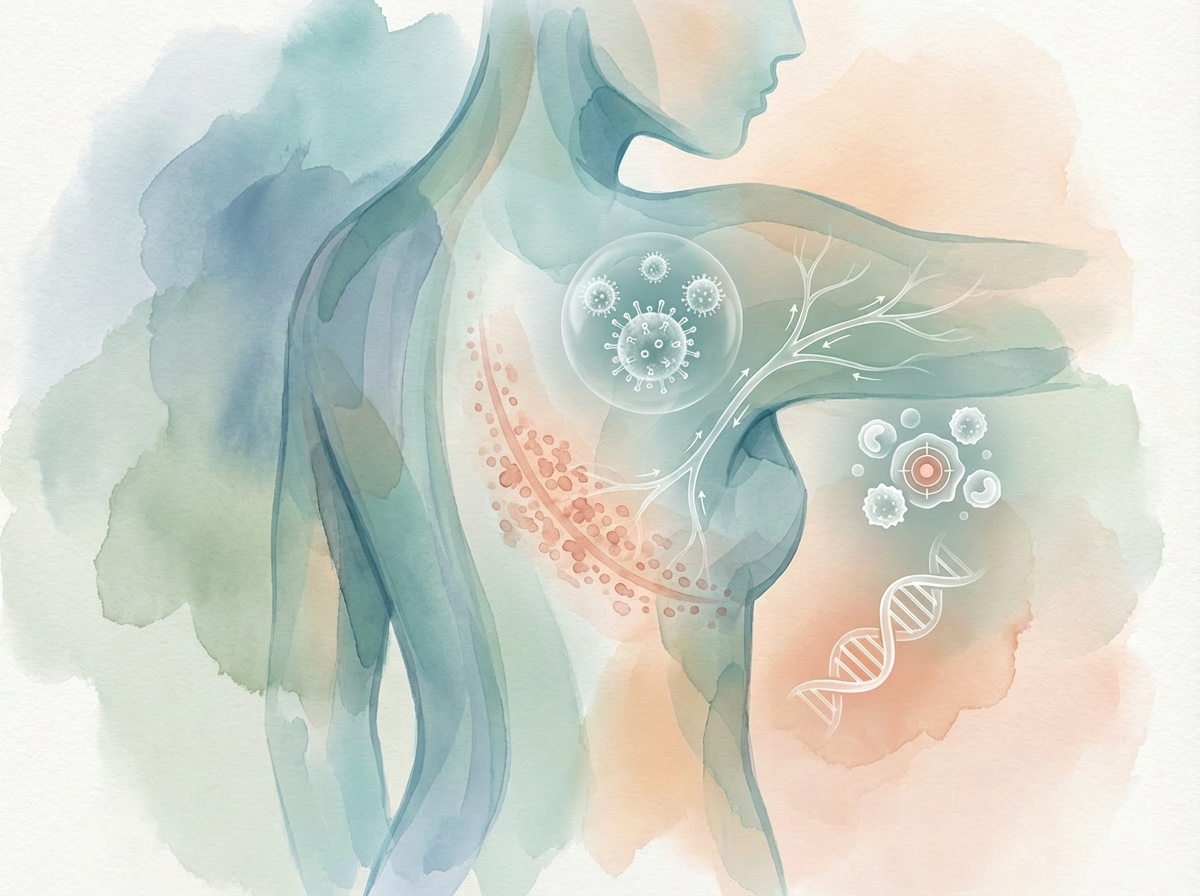
What Is Shingles (Herpes Zoster)?
Shingles is a painful viral infection caused by the reactivation of the varicella-zoster virus – the same virus that causes chickenpox. After you recover from chickenpox, the virus remains dormant in nerve tissue. Years or decades later, it can reactivate and travel along nerve pathways to your skin.
The hallmark of shingles is a painful, blistering rash that typically appears in a stripe or band on one side of the body. The rash follows the path of a single nerve (dermatome), which is why it appears in such a distinctive pattern.
At DESSNA, we provide rapid diagnosis and early antiviral treatment – critical for reducing severity, preventing complications like postherpetic neuralgia, and protecting your long-term comfort and health.
Types and complications of shingles
Classic Shingles (Dermatomal)
Painful, blistering rash that appears in a stripe or band on one side of the body, following a single nerve pathway. Most common presentation.
Ophthalmic Shingles
Affects the eye area and can threaten vision. Requires urgent evaluation and treatment to prevent corneal damage and vision loss.
Disseminated Shingles
Widespread rash affecting multiple areas of the body. More common in immunocompromised patients and requires immediate medical attention.
Postherpetic Neuralgia (PHN)
Chronic nerve pain that persists after the rash heals. The most common complication of shingles, especially in patients over 60.
Why Shingles Develops
Shingles occurs when the dormant varicella-zoster virus reactivates, typically due to age-related immune decline or immunosuppression.
Age & Immune Decline
Risk increases significantly after age 50 as immune surveillance of dormant viruses weakens. About 1 in 3 people will develop shingles in their lifetime, with incidence rising sharply in older adults.
Weakened Immune System
Conditions or treatments that suppress immunity – including cancer, HIV, organ transplants, chemotherapy, or long-term steroid use – allow the dormant varicella-zoster virus to reactivate.
Stress & Physical Trauma
Severe physical or emotional stress, illness, or injury can temporarily weaken immune defenses, creating an opportunity for the virus to emerge from dormancy and travel along nerve pathways.
Previous Chickenpox Infection
Anyone who has had chickenpox carries the dormant virus and is at risk for shingles. The virus can remain inactive for decades before reactivating, often without any clear trigger.
How We Treat Shingles at DESSNA
We prioritize rapid diagnosis first, time-sensitive antiviral treatment second, and nerve protection always – so your recovery is fast, complete, and complication-free.
Rapid Diagnosis & Staging
Your dermatologist performs a clinical evaluation to confirm shingles, assess severity, and determine how long the rash has been present. Early diagnosis within 72 hours of rash onset is critical for optimal antiviral effectiveness and preventing complications.
Antiviral Therapy & Pain Control
We prescribe antiviral medications (valacyclovir, famciclovir, or acyclovir) to stop viral replication, shorten outbreak duration, and reduce severity. Pain management includes topical treatments, oral analgesics, and nerve-targeted medications for comfort.
Prevention of Postherpetic Neuralgia
We implement strategies to protect nerve health and minimize the risk of chronic nerve pain (postherpetic neuralgia), which can persist for months or years. Follow-up care ensures complete resolution and addresses any lingering symptoms.
Shingles Treatment Options at Our Marietta Practice
Your treatment plan is tailored to the timing of your outbreak, severity of symptoms, and risk factors for complications. Here are the tools we use to achieve fast, complete recovery.
Antiviral Medications
Valacyclovir, famciclovir, or acyclovir prescribed within 72 hours of rash onset to stop viral replication, shorten outbreak duration, and reduce severity. Most effective when started early.
Pain Management
Combination approach including topical lidocaine, oral analgesics (NSAIDs, acetaminophen), and nerve pain medications (gabapentin, pregabalin) to control acute pain and prevent chronic nerve pain.
Topical Treatments
Calamine lotion, capsaicin cream, and prescription topical anesthetics to soothe skin, reduce itching, and provide localized pain relief during the active rash phase.
Corticosteroids (Select Cases)
Short-term oral corticosteroids may be prescribed in severe cases or when the rash affects the face or eyes, to reduce inflammation and prevent complications. Used cautiously and only when appropriate.
Nerve Block Injections
For severe pain or high risk of postherpetic neuralgia, nerve block injections can provide targeted pain relief and may reduce the likelihood of chronic nerve pain developing.
Follow-Up & Monitoring
Scheduled follow-up visits to monitor healing, assess for complications (secondary infection, eye involvement, nerve damage), and adjust treatment as needed to ensure complete recovery.
The 72-Hour Window: Why Early Treatment Matters
Antiviral medications are most effective when started within 72 hours of rash onset. Early treatment significantly reduces pain severity, shortens outbreak duration, and lowers the risk of postherpetic neuralgia.
Risk of vision loss requires urgent care
Higher risk of complications and PHN
May indicate disseminated shingles
Early intervention prevents chronic nerve pain
Postherpetic Neuralgia: The Most Common Complication
What Is Postherpetic Neuralgia (PHN)?
PHN occurs when damaged nerve fibers send confused pain signals to the brain, causing burning, stabbing, or electric-shock sensations long after the rash has healed. Risk increases with age, severity of initial outbreak, and delayed treatment.
Risk Factors for PHN
10 – 18% overall risk of developing PHN after shingles. Risk jumps to 25 – 50% in adults over 60 without early treatment. PHN can persist for 3 – 12+ months or become chronic, significantly impacting quality of life.
Early antiviral treatment within 72 hours is the single most effective way to prevent postherpetic neuralgia and protect your long-term comfort. Same-day appointments are available for active shingles outbreaks.
What Our Patients Say
“Doctor Edward Chen is the BEST! He's very professional, very caring, he will always give you his honest advice. He helped my son who had acne issues – his skin now looks great like never before.”
“Dr. Candace Green has a very warm bedside manner and makes you feel very comfortable! Great office, staff, and overall experience.”
“The office is well run and Dr. Green is thorough.”
Frequently Asked Questions About Shingles
Expert answers to common questions about shingles treatment and prevention.
Shingles itself is not contagious, but the varicella-zoster virus can spread from active shingles blisters to someone who has never had chickenpox or the chickenpox vaccine, causing chickenpox (not shingles). Once blisters crust over, the risk of transmission ends. Avoid contact with pregnant women, newborns, and immunocompromised individuals during active outbreak.
Experiencing Shingles Symptoms in Marietta or East Cobb?
Early treatment within 72 hours is critical to reduce pain, shorten outbreak duration, and prevent postherpetic neuralgia. Same-day appointments are available for active shingles outbreaks.
Most patients experience significant pain relief within 48 – 72 hours of starting antiviral treatment.
Related Conditions & Services
Explore other viral and infectious skin conditions we treat at our Marietta practice